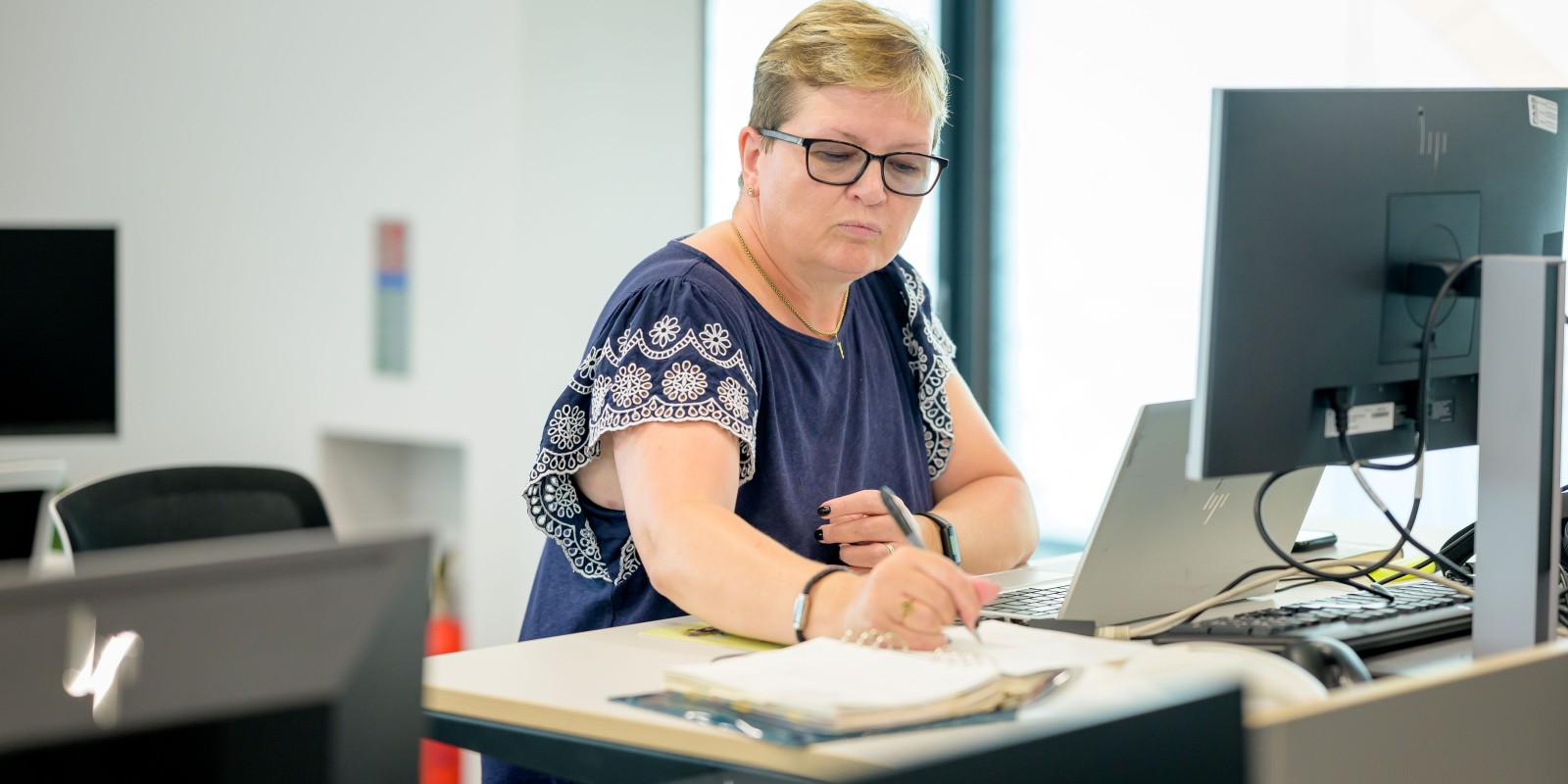
A complaint I hear regularly from clients is that their body feels stiff and achy, even though they haven’t done anything especially strenuous.
Sometimes they are surprised by this. They haven’t run a marathon, lifted heavy weights or started a demanding new exercise programme. They have simply been going to work, driving, watching television or spending time at a computer.
But when we talk a little more, it often becomes apparent that they are sitting for eight or nine hours most days.
Many of us spend a lot of time sitting - at desks, at home, in our cars - and this doesn’t do our bodies any good. We tend to think of sitting down as rest, but from a muscular point of view it isn’t always very restful. Some muscles are working continuously to hold us in position, while others are barely being used at all.
The human body is designed to move. It doesn’t necessarily need to move quickly or lift anything heavy, but it does benefit from changing position regularly.
There isn’t one single reason sitting may contribute to back pain. As with most aches and pains, there are usually several things going on.
When we sit at a desk for long periods, the muscles at the front of the hips are held in a shortened position. These muscles are known as the hip flexors. At the same time, the glutes and some of the muscles that support the spine are doing less work than they would if we were standing, walking or moving around.
Over time, spending long periods in the same position may contribute to stiffness or muscle imbalances around the hips and pelvis. The hip flexors may begin to feel tight, while the glutes and other muscles involved in movement and stability may be used less. For some people, this can contribute to discomfort around the lower back..
Our sitting posture can play a part too. Few of us sit in a perfect position all day - and let’s be honest, maintaining perfect posture for eight hours would be a fairly unrealistic goal anyway.
We may start the morning sitting upright, but gradually lean forward towards the screen, round the shoulders or slump down into the chair. Staying in this sort of position for a long time can place additional stress on the muscles and joints around the lumbar spine.
This doesn’t mean that poor posture is always the cause of back pain, or that there is one correct sitting position which will prevent it. Often the bigger problem is staying in any one position for hours at a time.
No. Although back pain from sitting is common, a desk job can affect several different parts of the body.
If you spend a lot of time leaning forward towards a computer, the muscles around your shoulders and upper back may be working constantly to support your head and arms. This can contribute to neck pain and tight shoulders, as well as stiffness through the middle of the back.
Some clients also find that tension around the neck and shoulders is accompanied by headaches, particularly after a long day looking at a screen.
Lower down the body, sitting keeps the hips bent and the hamstrings relatively inactive. The glutes can become weaker through lack of use, while the hip flexors may feel tight or shortened. You may first notice this when you stand up after a long meeting and feel as though it takes a few steps before everything begins moving properly again.

Stiffness in the hips and buttock can sometimes contribute to discomfort around the lower back too. In some cases, tight or irritated muscles around the glutes may also affect the sciatic nerve, although sciatica can have several possible causes and should not automatically be blamed on sitting posture.
Your spine is made up of individual bones called vertebrae, with discs sitting between them. These discs help to absorb force and allow the spinal column to move.
Sitting changes the way pressure and load are distributed through the lumbar spine, particularly when we remain in the same position for a long time. That does not mean that sitting will automatically damage a disc or cause a herniated disc. Our backs are generally much stronger and more adaptable than we give them credit for.
However, sitting for too long can make an already sensitive back feel more uncomfortable. If your back muscles are tired, your hips are stiff or you already have an underlying problem, remaining still may aggravate your symptoms.
Movement helps because it changes where the pressure is being placed. It also allows muscles that have been working to relax and brings other muscles back into use.
This is why your next sitting position is often more important than finding the supposedly perfect sitting position.
The effects of prolonged sitting are not limited to back problems.
When we remain sedentary for long periods, the large muscles in the legs are relatively inactive. This can affect circulation and the way the body regulates blood sugar and processes fats.
Blood may also pool in the lower legs, which can contribute to swollen feet or ankles and varicose veins. Sitting still for very long periods can increase the risk of blood clots, particularly when combined with other risk factors.
There is also evidence linking high levels of sedentary behaviour with an increased risk of conditions such as type 2 diabetes and cardiovascular disease.
This can all sound rather alarming, but it is important to keep it in perspective. Having a desk job does not mean that you are destined to develop serious health problems. It does mean that building regular movement into your day is worthwhile.
A standing desk can be useful, but it isn’t a complete solution.
Standing still for eight hours is not necessarily much better than sitting still for eight hours. Prolonged standing can cause tired legs, aching feet and lower back discomfort of its own.
The real benefit of an adjustable desk is that it allows you to change positions. You might sit for a while, stand for a while and move around in between.
If you use a standing desk, introduce it gradually. Standing all day from the first morning may simply replace one set of aches with another.
Your workstation should also be arranged so that you are not constantly slouching or leaning forward. Your screen should be at a comfortable height, your chair should provide reasonable back support and your keyboard and mouse should be close enough that you are not repeatedly reaching for them.
Ergonomics can help, but even the most expensive chair will not remove the need to get up and move.

There is no perfect schedule that will suit everyone, but trying to change position every 30 minutes is a useful starting point.
This doesn’t need to mean stopping work for a lengthy exercise session every half an hour. You could stand while making a phone call, walk to fill up your water bottle, visit a colleague instead of emailing them or simply get up and move for a minute or two.
If every 30 minutes is not practical, aim to avoid sitting for several hours without a break. Setting a reminder on your phone or computer may help until movement breaks become a habit.
You could also try:
Simple exercises can help, but they do not need to be complicated. Walking, swimming, Pilates, yoga and resistance exercises can all be useful ways of helping your back, depending on your health and what you enjoy.
The most effective exercise is usually one that you are happy to continue doing.
A sports massage can be a useful way to relieve some of the muscular tension that builds up when you sit for long periods.
For someone with a desk job, treatment might include the lower back, glutes and hips, as well as the neck, shoulders and upper back. It all depends on where you feel discomfort and what appears to be contributing to it.
One client may come in because their lower back hurts when sitting. Another may be more bothered by tight shoulders. Someone else may be experiencing headaches or stiffness through the hips.
This is why I tailor each massage to the individual rather than following the same routine for everyone.
Massage can help to relax tight or overworked muscles and may make movement feel easier. A gentler treatment such as Swedish massage can also be helpful if you prefer lighter pressure or are looking for a more relaxing treatment.
Massage can also promote relaxation and may help to reduce feelings of stress and muscular tension. For some people, this can affect how discomfort is experienced and make it easier to switch off.
However, massage cannot strengthen a weak muscle or completely undo the effects of sitting all day. If your glutes or core muscles need to become stronger, that will require exercise. Likewise, if you return to the same position for eight or nine hours without moving, the tightness is likely to build up again.
Massage is perhaps most helpful when used alongside regular movement, strengthening work and sensible changes to your working day.
Most back pain is not caused by anything serious, but there are occasions when medical advice is important. The NHS provides guidance on back pain, including when to seek medical help.
If your pain is severe, getting worse, affecting your day-to-day life or has continued for some time without improving, your GP may be a good first port of call.
You should also seek prompt medical advice if back pain is accompanied by symptoms such as significant weakness, loss of sensation, changes to bladder or bowel control, unexplained weight loss, fever or pain following a serious injury.
Pain travelling down one or both legs, numbness or persistent tingling should also be properly assessed, particularly if the symptoms are worsening.
Over-the-counter pain relief, a heat pack or gentle movement may help some people in the short term, but these should not be used to disguise symptoms that need medical attention. A pharmacist or healthcare professional can advise you about suitable over-the-counter medication.
If you sit at a desk all day, the most helpful change may also be the simplest: get up and move more often.
You don’t have to find the perfect chair, maintain a rigid sitting posture or spend every evening performing back exercises. Start by noticing how long you remain in one position and look for easy opportunities to break that time up.
Stand up when the kettle boils. Walk around while you are on the phone. Take a movement break between tasks. Go outside at lunchtime if you can.
These things may seem too small to matter, but movement can help to reduce stiffness, vary the pressure on the spine and bring underused muscles back into action.
If your body is already feeling the effects of long days spent sitting, massage may help to relieve the pain and muscular tension while you work on introducing more movement into your routine.
You can book a sports or Swedish massage with me at my Kenninghall therapy room. Or feel free to get in touch if you would like to discuss which type of treatment may be most appropriate for you.
Author Hannah Tabram. Category Blog. Last updated Fri, 10 Jul 2026 17:57:57 +0100
Previous post